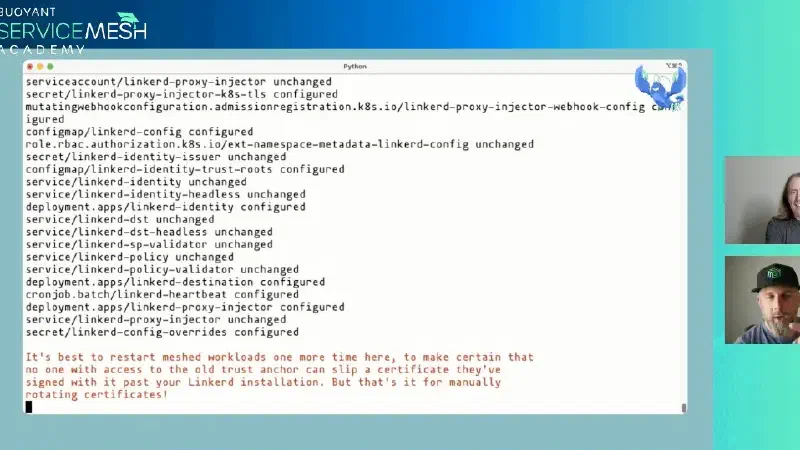
Linkerd Certificate Management Deep Dive
TLS certificates are the basis of identity, and thus trust, in everything Linkerd does — but what exactly are they, and what do you need to know to keep everything running smoothly?

Monthly live workshops providing hands-on training on Linkerd and related CNCF projects.
TLS certificates are the basis of identity, and thus trust, in everything Linkerd does — but what exactly are they, and what do you need to know to keep everything running smoothly?
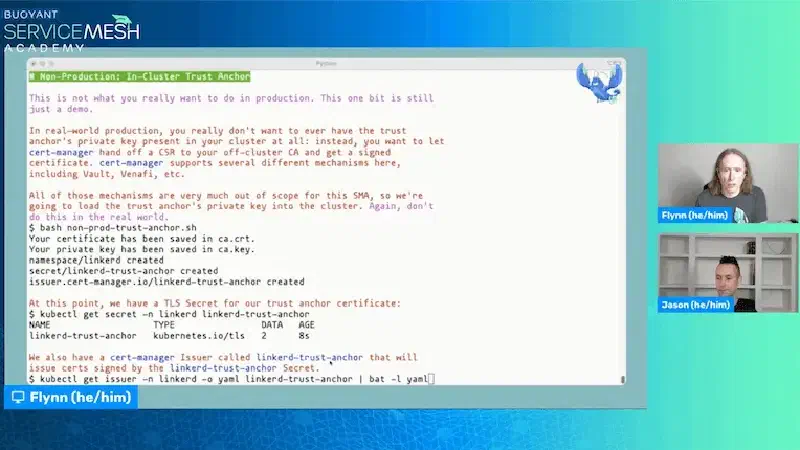
In this hands-on session, we walk you through what you need to know to successfully deploy and operate Linkerd in production environments
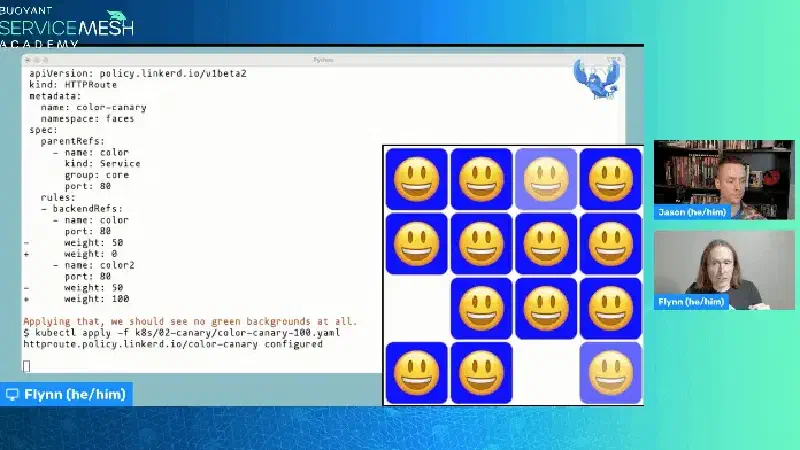
In our sneak peek of Linkerd 2.13, we introduced dynamic request routing and circuit breaking. With the launch of stable-2.13.0, this Service Mesh Academy can take a deep dive into these powerful features.
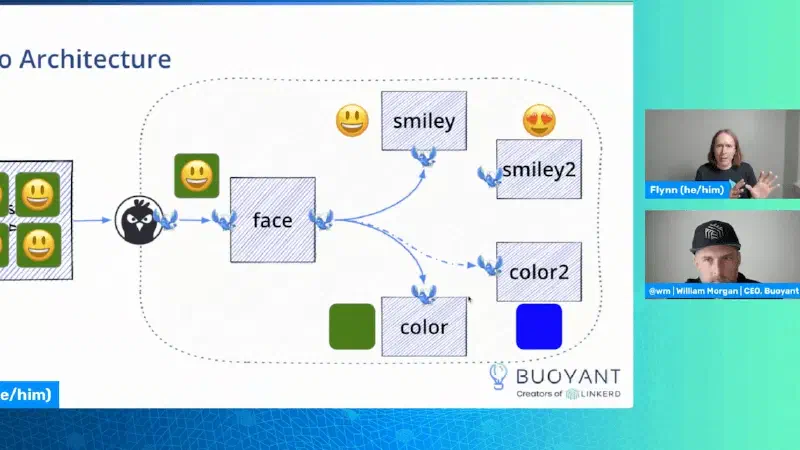
The Linkerd team has been hard at work, as always, and soon enough all their hard work will be released for you to enjoy! In this Service Mesh Academy, we're going to cover the highlights of what's coming in Linkerd 2.13.
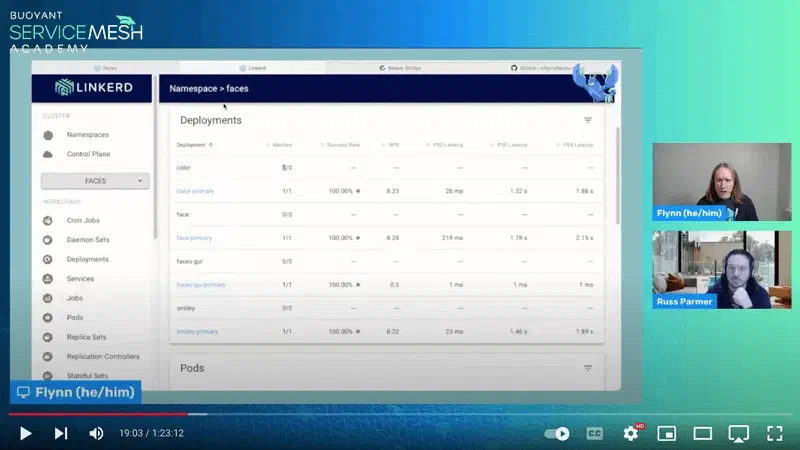
"GitOps" and "service mesh" may not be things you immediately think of together – but maybe they should be! These two wildly different technologies are each enormously capable independently, and combined they deliver far more than the sum of their parts.
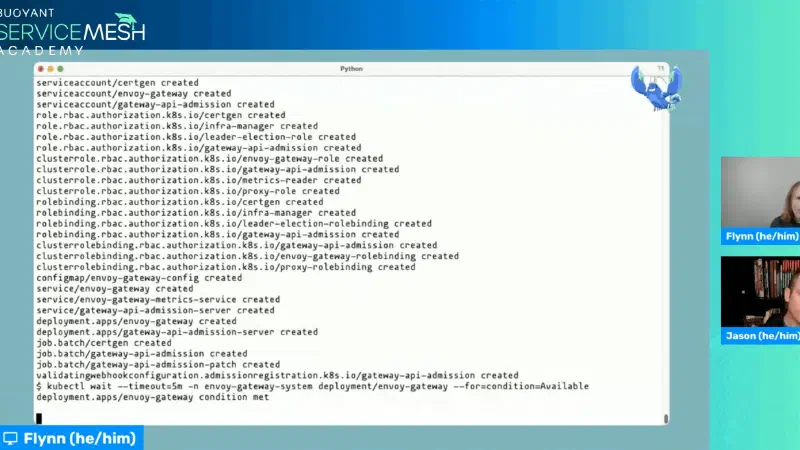
The first problem that any cloud-native application has to solve is how to communicate with the world outside the cluster. This is “the ingress problem”, and while Linkerd doesn’t have to solve it directly, it is absolutely a major part of successfully getting your app working.
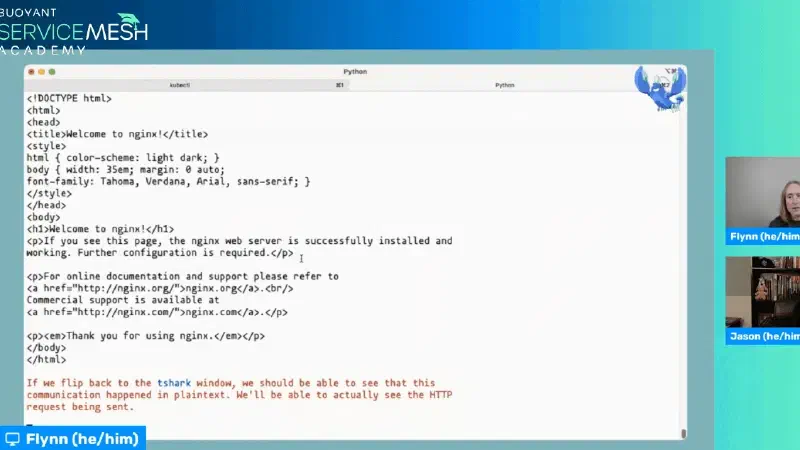
Mutual TLS (mTLS) is a hot topic in the Kubernetes world, especially for anyone tasked with getting “encryption in transit” for their applications. But what is it and how does it compare to alternatives such as encryption at the CNI level?
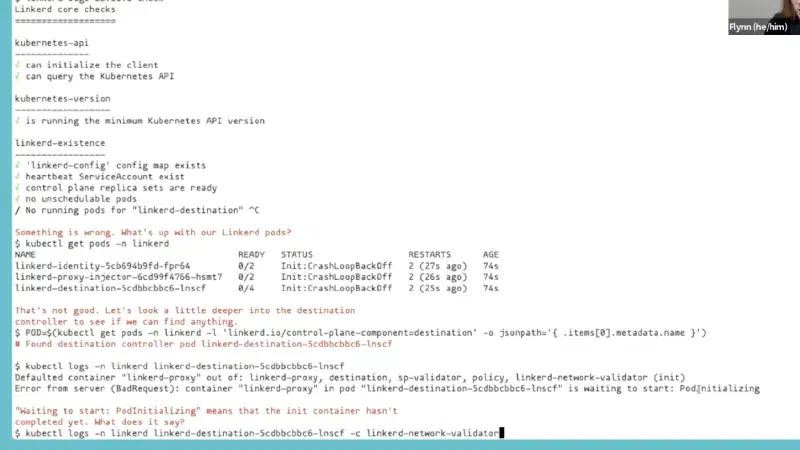
Take a deep dive into what really happens when a pod starts running with Linkerd! Get all the details about init containers, Linkerd's interaction with the firewall and the CNI, and the complex business underlying Kubernetes' container and networking model.
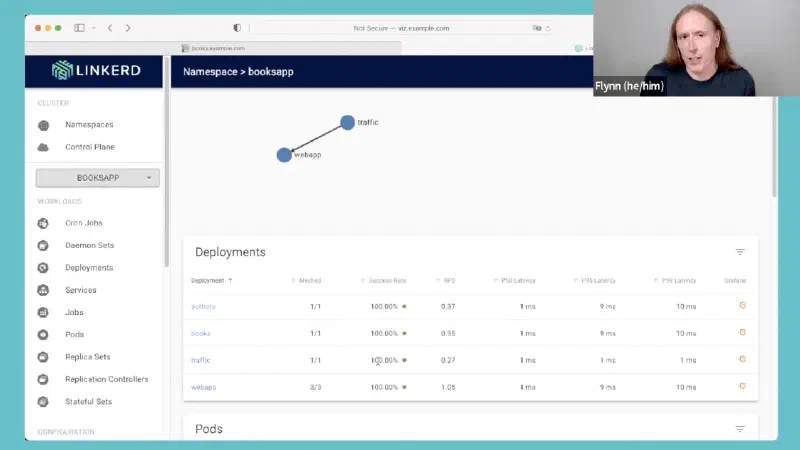
Linkerd has been able to do workload-based policy for a very long time—for example, it has long been possible to allow workload A to talk to workload B but not workload C. However, it was still up to app developers to write code if workload A should be allowed to ask workload B to check a message but not to sign it.
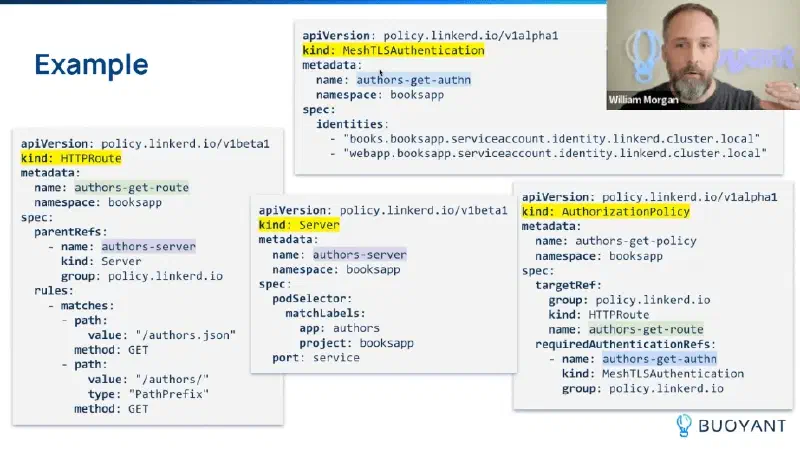
In this webinar, you'll hear all about the Linkerd 2.12 release and what you need to know to upgrade. This release introduces route-based policy to Linkerd, allowing users to define and enforce authorization policies based on HTTP paths or gRPC methods in a fully zero-trust way.
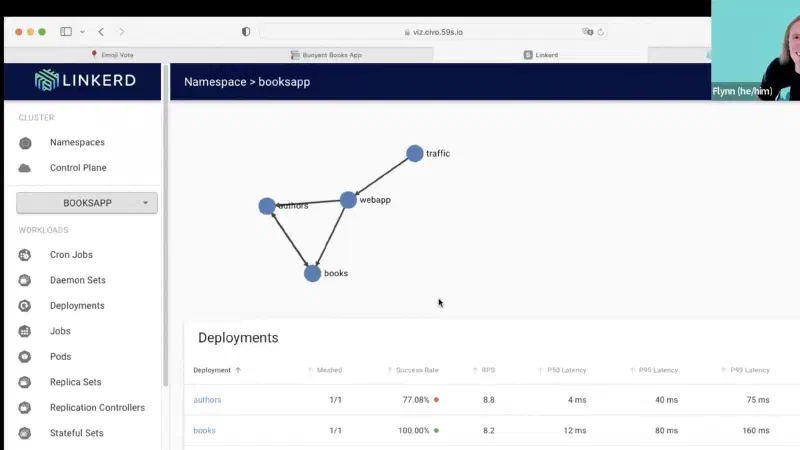
During this workshop, attendees will learn how to use a service mesh to monitor their applications in a way that's transparent, uniform across services, and provides detailed information about important application information such as HTTP routes and gRPC methods.
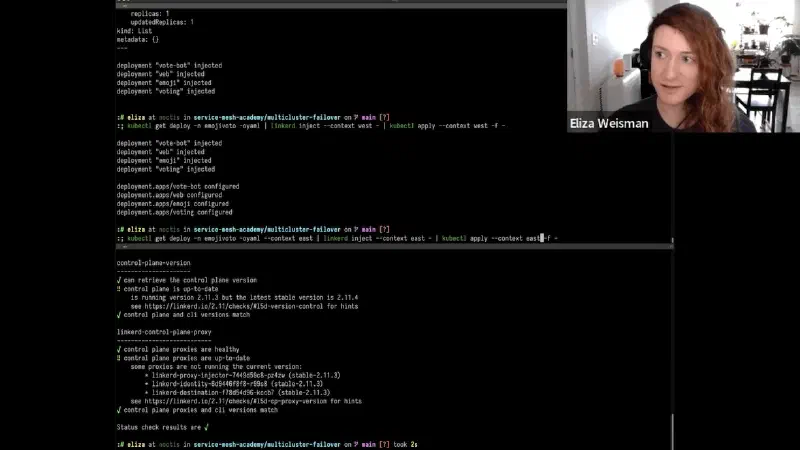
Failover across clusters is a great way to improve the overall uptime and reliability of Kubernetes applications. While whole-cluster failover can be accomplished at the global ingress layer, failing over individual services is a little more difficult.